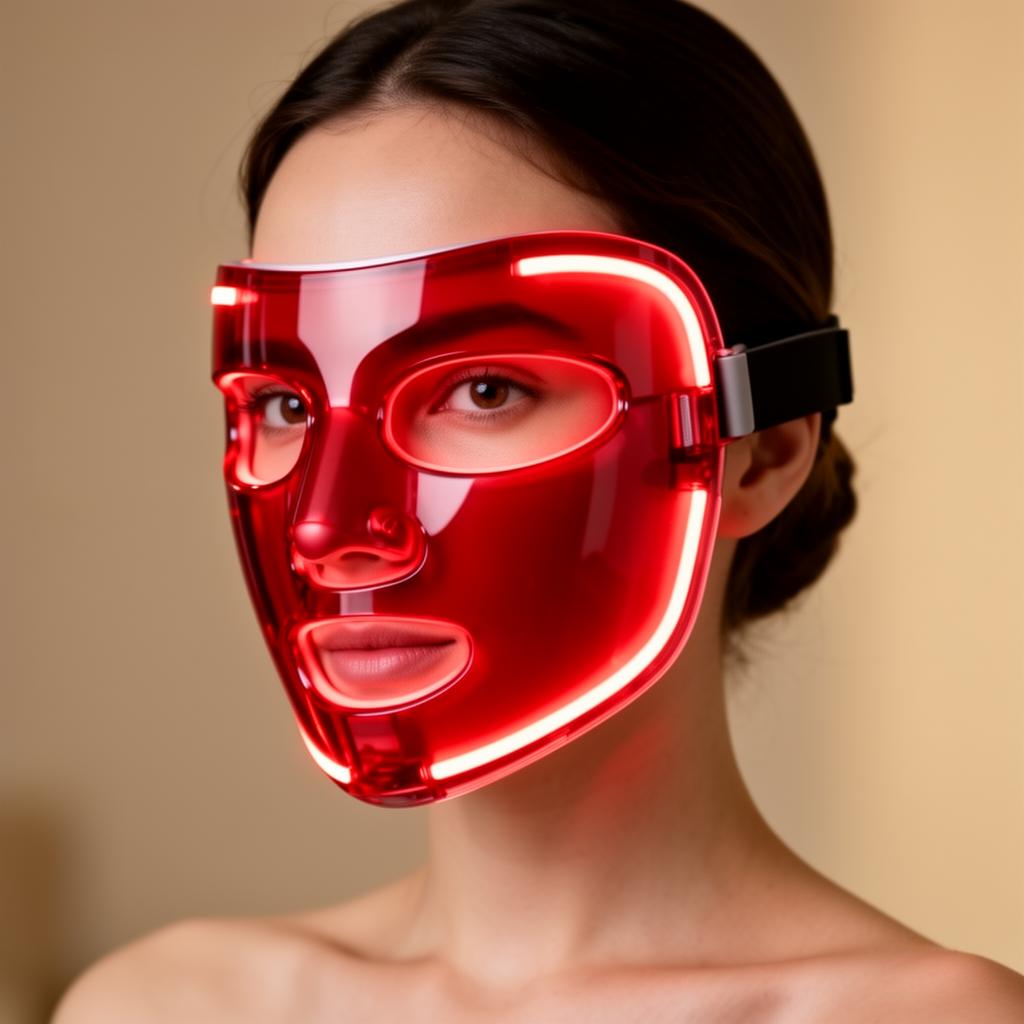
Walk into any wellness expo in 2026 and you will be greeted by a wall of gadgets — red-light panels promising mitochondrial renewal, cold plunges priced like small cars, continuous glucose monitors strapped to people who have never been diabetic, EEG headbands sold as the gateway to enlightenment. The aesthetic is clinical. The promise is optimisation. The reality, mostly, is theatre.
Biohacking, as a culture, has confused inputs for outcomes. It assumes that if you can measure something, you can fix it. But the body is not a dashboard. It is a layered, intelligent system that responds first to safety, then to stimulus. Strip away the marketing and what's left is a quieter, older truth — most of what biohacking sells you already lives inside your physiology, free of charge, waiting to be used.
Where biohacking went wrong
The original premise was beautiful: take agency over your own biology. Read the studies. Run the experiments on yourself. Don't wait for permission from a fifteen-minute GP appointment. That ethic still matters. What corrupted it was the assumption that more inputs equal better outcomes — that biology is a stack you can build, the way you'd build a software product.
It isn't. Biology is regulatory. Add too much stimulus to a dysregulated system and you don't get optimisation — you get a faster collapse. Most people drawn to biohacking are already over-stimulated, under-rested, and chronically vigilant. Adding cold plunges, fasting protocols, and nootropics to that baseline is not a biohack. It is a tax.
The original biohack
Long before continuous monitors, humans had one extraordinary technology for regulating metabolism, hormones, and mood: a regulated nervous system. Slow breathing. Walking after meals. Sunlight on the skin in the first hour after waking. Conversation with someone who feels safe. Sleep that begins and ends at roughly the same time each day. These are not lifestyle aesthetics — they are the original biohacks, and the research keeps catching up to them.
A 2023 meta-analysis in Nature Mental Health found that morning light exposure had a larger effect on depressive symptoms than most SSRIs in the first six weeks of treatment. A 2024 trial out of Stanford showed that a single 10-minute walk after the largest meal of the day reduced postprandial glucose spikes by an average of 22% — comparable to many pharmaceutical interventions. Vagal-toning practices like slow exhalation and cold facial immersion measurably raise heart rate variability within weeks. These are not new ideas. They are old ideas finally being measured.
The body is not a dashboard. It is a layered, intelligent system that responds first to safety, then to stimulus.
What actually moves the needle
Heart rate variability, the most reliable proxy for vagal tone, responds far more to consistent sleep and unhurried mornings than to any supplement stack. Cold exposure works — but mostly because it teaches the nervous system to meet a controlled stressor and come back down. The cold is not the medicine. The return is. Red-light therapy has a real effect on superficial mitochondrial function — but the effect of ten minutes of morning sunlight on the eyes is larger, free, and built into the planet's design.
The interventions that actually shift labs over six months are almost laughably unsexy: protein at breakfast, sunlight before screens, walking after meals, eight hours of darkness, two strength sessions a week, and human connection that is not transactional. Everything else is decoration.
Where to begin
Before you buy another device, audit the inputs you are already free to use. Light. Breath. Walking. Whole food. Connection. These are not glamorous. They are simply what your biology has been waiting for. Once those are in place — and only then — there is a real case for thoughtful, targeted experimentation. A red-light panel for a winter without sun. A glucose monitor for a fortnight, to learn how your own food affects you. A cold plunge once a week, as a deliberate practice in returning to baseline.
Biohacking is not a hoax. The corruption of it is. The actual practice — paying close attention to your own physiology and meeting it with care — is one of the most useful things you can do with a life. It just doesn't require very much equipment.